Why India is Becoming a Global Wellness Destination: A Complete Guide
India is rapidly emerging as a world-leading wellness destination, combining ancient healing traditions with cutting-edge biohacking technologies. For UK residents exploring healthcare and wellness options, understanding India's transformation into a premium wellness hub reveals compelling opportunities beyond traditional medical tourism.
The wellness tourism industry in India has grown exponentially, driven by significant investment in premium infrastructure, doctor-led facilities, and internationally accredited centres. This growth represents more than just cost savings—it's about accessing advanced treatments that may have limited availability or lengthy waiting times in the UK, all delivered within a framework of medical expertise and luxury service standards.
This guide examines why India has become a magnet for international wellness travellers, what treatments are available, and what UK residents should consider when evaluating India as a wellness destination.
India's Unique Positioning: Ancient Wisdom Meets Modern Innovation
India occupies a distinctive position in the global wellness landscape by seamlessly blending its 5,000-year-old Ayurvedic heritage with state-of-the-art biohacking technologies. This combination creates wellness experiences unavailable elsewhere in the world.
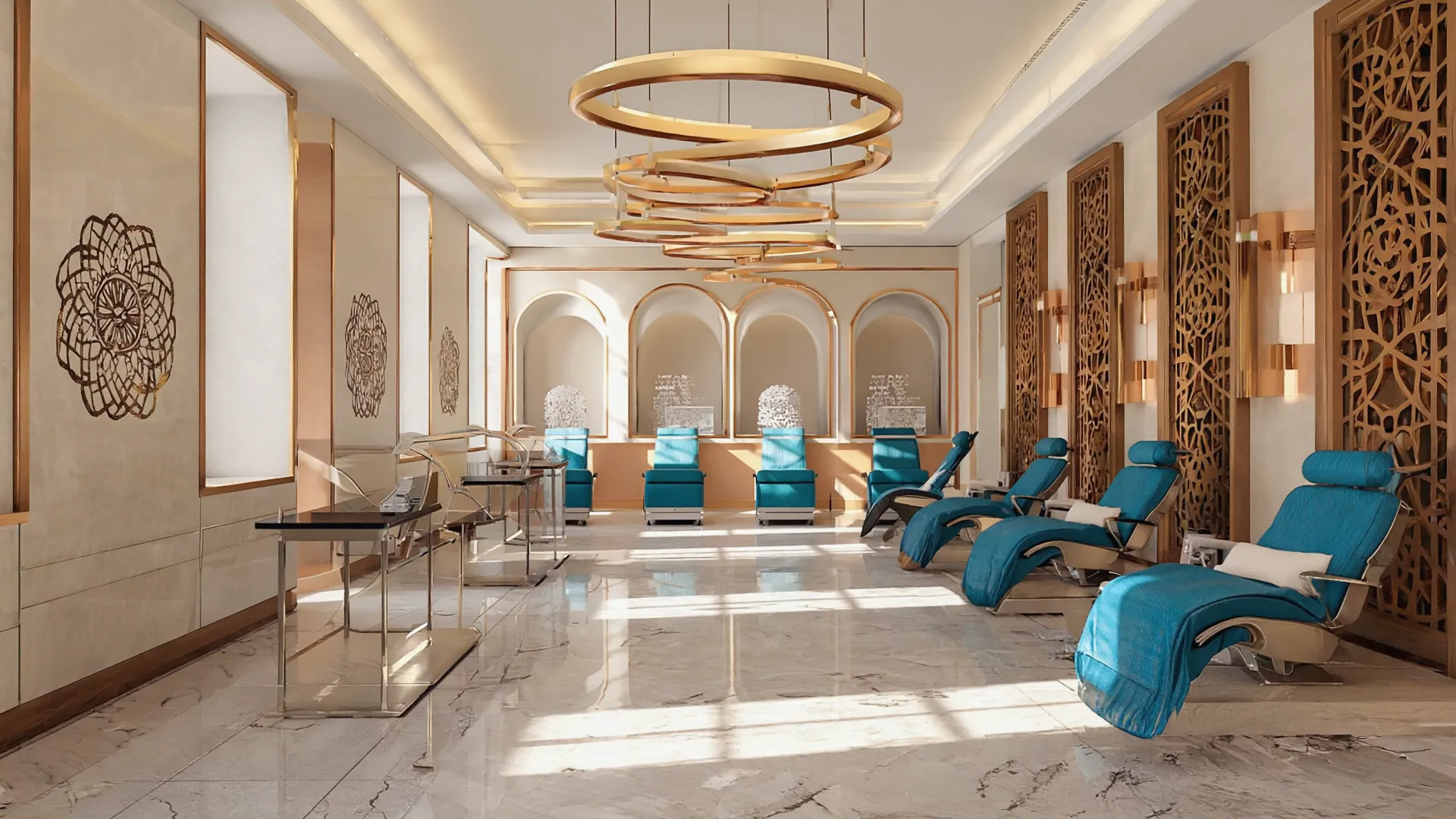
Traditional Indian wellness practices like Ayurveda, yoga, and meditation have gained international recognition for their evidence-based health benefits. However, modern India has evolved far beyond these traditional offerings. Premium wellness centres now feature advanced technologies including cryotherapy, hyperbaric oxygen therapy (HBOT), NAD+ IV infusions, and regenerative medicine—often delivered in luxurious, spa-like environments that feel more like wellness retreats than clinical facilities.
This integration allows visitors to experience comprehensive wellness programmes that might include morning yoga sessions followed by IV nutrient therapy, or traditional Ayurvedic consultations combined with genomics testing. The result is a holistic approach to health that addresses both ancient wisdom and modern longevity science.
What makes this particularly compelling for international visitors is the medical oversight. Unlike wellness centres in some countries that operate without medical supervision, India's premium wellness facilities are typically doctor-led, ensuring treatments are both safe and therapeutically effective.
Investment in Premium Wellness Infrastructure
India's wellness sector has attracted substantial investment in premium infrastructure, creating facilities that rival the world's best wellness destinations. This infrastructure boom has been driven by both domestic demand and the recognition of wellness tourism's economic potential.
Modern wellness centres in major Indian cities now feature FDA-approved equipment, international safety standards, and luxury amenities. For example, centres like Elixir Wellness—named Healthcare Startup of the Year at the Entrepreneur India 2025 Awards—have expanded from single locations to 27 centres across 18 months, serving over 30,000 clients. This rapid scaling demonstrates both the demand for premium wellness services and the investment capital flowing into the sector.
The infrastructure extends beyond individual treatment centres. Major cities have developed wellness ecosystems that include luxury accommodation, specialised transport services, and integrated health facilities. Mumbai, Delhi, and Bangalore now offer world-class wellness districts where visitors can access everything from advanced diagnostics to regenerative medicine within concentrated geographical areas.
This infrastructure investment has been crucial in attracting international visitors who expect premium standards. The facilities now rival those found in traditional wellness destinations like Switzerland or the United States, but with the added advantage of India's cost structure and medical expertise.
Advanced Treatments with Limited UK Availability
One of India's key advantages as a wellness destination is the availability of advanced treatments that have limited accessibility in the UK, either due to regulatory restrictions, high costs, or lengthy waiting times.
Hyperbaric oxygen therapy (HBOT) exemplifies this opportunity. While available in the UK primarily for specific medical conditions through the NHS, private HBOT for wellness and recovery purposes is expensive and often has waiting lists. In India, medical-grade HBOT is readily available at premium wellness centres for recovery, anti-aging, and performance optimisation.
Similarly, NAD+ IV therapy—a treatment growing in popularity for longevity and cellular repair—costs £200-400 per session in the UK when available. Indian wellness centres offer the same treatment, often with superior comfort and service, at significantly lower costs while maintaining medical supervision and safety standards.
Regenerative medicine presents another compelling example. Treatments like platelet-rich plasma (PRP) therapy, stem cell treatments, and advanced aesthetic procedures are available through India's wellness centres with minimal waiting times and comprehensive support services.
The regulatory environment in India also allows for certain innovative treatments that may not yet be widely available in the UK, giving visitors access to cutting-edge wellness technologies and protocols under medical supervision.
The Doctor-Led Difference
A crucial differentiator in India's wellness sector is the emphasis on medical supervision and doctor-led treatment protocols. Unlike wellness centres in some destinations that operate primarily as spa facilities, India's premium wellness centres are typically founded and operated by medical professionals.
This medical foundation brings several advantages. Treatments are personalised based on medical history and health goals rather than offered as one-size-fits-all packages. Diagnostic capabilities are integrated into wellness programmes, allowing for comprehensive health assessments alongside treatments. Safety protocols meet international medical standards rather than basic spa guidelines.