Planning Healthcare Around Your India Wedding Trip
Introduction
India's wedding season brings thousands of British Indians home for family celebrations, extended visits, and cultural traditions. These multi-week trips, typically spanning October through February, offer a unique opportunity that many UK residents haven't considered: combining family celebrations with premium healthcare experiences.

Whether you're attending a cousin's wedding in Mumbai, celebrating festival season with family in Delhi, or managing multiple family commitments across several cities, these extended stays create possibilities for healthcare and wellness treatments that would cost significantly more in the UK. With careful planning around wedding festivities and family obligations, many British Indians are discovering they can address long-postponed health needs whilst celebrating life's most important moments.
This guide explores how to thoughtfully integrate healthcare planning into your India wedding season travels, covering everything from pre-celebration preparations to post-festivity health checkups.
Understanding the Wedding Season Healthcare Window
India's wedding season, running from October through February, coincides with optimal weather and auspicious dates according to Hindu traditions. For British Indians, this period often involves 2-4 week visits that provide an ideal timeframe for healthcare planning.
Unlike typical holidays with packed itineraries, wedding season visits naturally include buffer days between celebrations. Family commitments may concentrate around specific dates - perhaps a mehendi ceremony on Tuesday, the main wedding on Thursday, and a reception on Saturday - leaving intervening days available for personal activities.
The extended nature of these visits sets them apart from brief business trips or standard holidays. Wellness India wedding season planning becomes feasible when you have the luxury of time to schedule treatments around family obligations. Many find they can comfortably fit in dental appointments, skin treatments, or comprehensive health checkups without missing important family moments.
Cultural familiarity also plays a significant role. British Indians typically have local family support, language comfort, and cultural understanding that reduces the anxiety often associated with healthcare abroad. This existing support network can prove invaluable when navigating appointments and treatments.
The wedding season's social nature creates natural conversation opportunities about healthcare experiences, leading to valuable recommendations from family members and friends who may have had excellent experiences with local providers.
Pre-Wedding Health and Wellness Preparation
The weeks leading up to wedding celebrations offer perfect timing for appearance-focused treatments and wellness optimization. Many British Indians use this period to address aesthetic concerns or boost their energy levels for the intensive celebration period ahead.
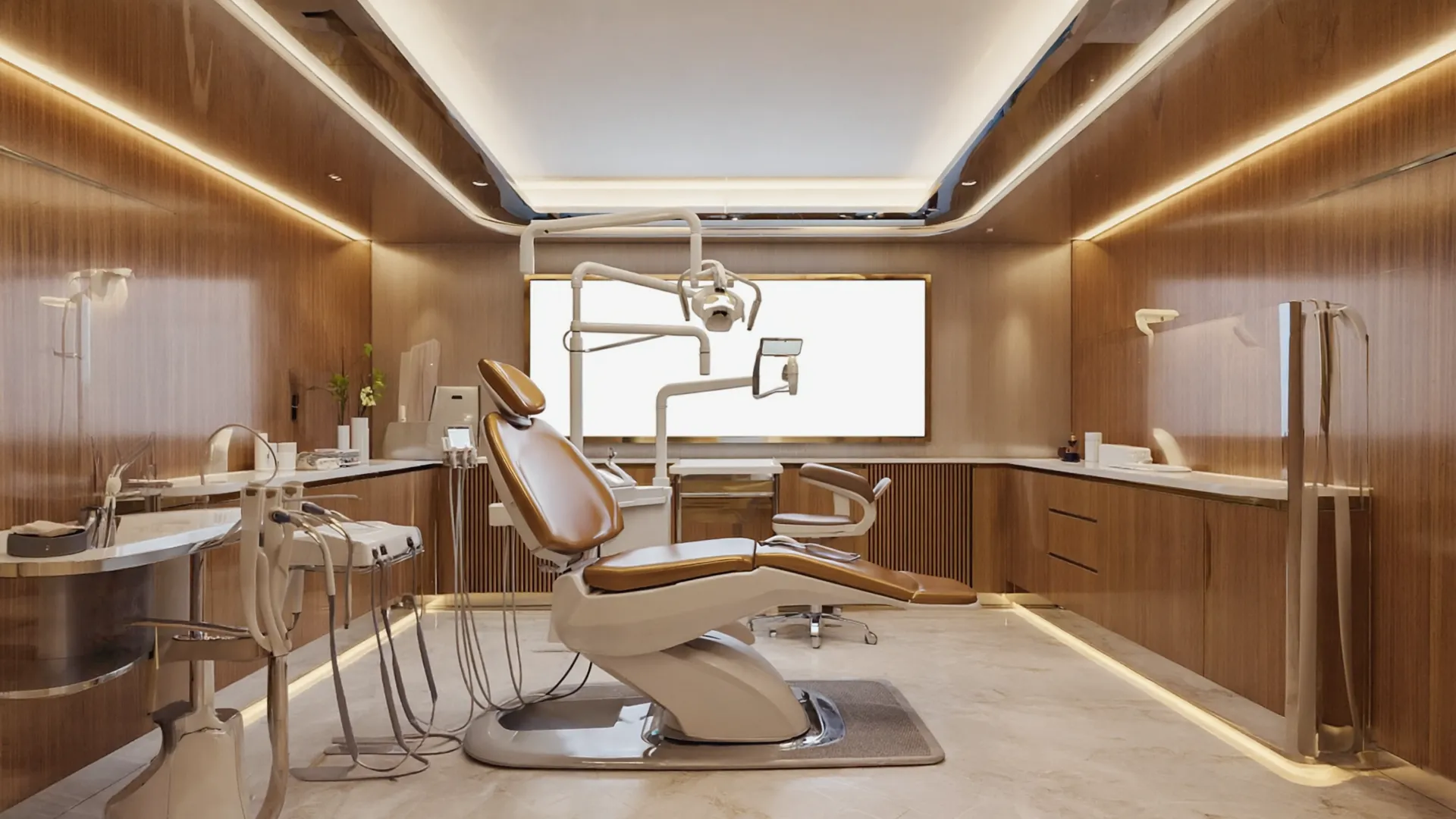
Dental work India wedding planning has become increasingly popular, particularly for visible improvements like teeth whitening, cosmetic bonding, or completing delayed dental work. The cost savings compared to UK private dentistry can be substantial, whilst the multi-week timeframe allows for multiple appointments if needed.
Skin treatments represent another priority area. Professional facials, laser treatments for pigmentation, or addressing long-standing skin concerns can be scheduled early in the visit, allowing time for healing before major photography sessions. The dry, clean air in many parts of India during winter months can actually facilitate better healing than the UK's damp climate.
IV therapy and immunity boosters have gained popularity among visitors wanting to optimise their energy levels for marathon celebration periods. The combination of travel fatigue, rich wedding foods, and intensive social schedules can be physically demanding, making preventive wellness treatments appealing.
Women's health consultations often receive attention during this period, particularly for issues like hormonal imbalances or PCOS management. The relaxed timeframe allows for thorough consultations and follow-up appointments that might be rushed in the UK's healthcare system.
Some visitors schedule comprehensive health checkups early in their trip, reasoning that any identified issues can be addressed before returning to the UK, rather than joining NHS waiting lists.
Maximising Treatment Opportunities During Extended Stays
Extended wedding season visits create unique advantages for healthcare planning that aren't available during shorter trips. The key lies in understanding how to structure treatments around social commitments whilst maximising the available time window.
Morning appointments often work well during wedding season visits, as family events typically concentrate in late afternoons and evenings. An early dental appointment or wellness treatment can be completed whilst family members handle wedding preparations, avoiding conflicts with important ceremonies or meals.
Multi-session treatments become particularly viable during extended stays. A course of five skin treatments, for example, can be spread across three weeks, with appointments scheduled between wedding events. This approach often yields better results than single-session treatments whilst remaining cost-effective.
Recovery treatments gain appeal during intensive celebration periods. Lymphatic drainage after rich wedding meals, cryotherapy for inflammation from extensive standing and dancing, or red light therapy for skin recovery between events can enhance both comfort and appearance throughout the celebration season.
The social nature of Indian family gatherings often means multiple family members might be interested in similar treatments. Group bookings or family package approaches can sometimes be arranged, creating shared experiences whilst potentially accessing better pricing.
Health checkup India trip planning benefits from the relaxed timeframe, allowing for comprehensive assessments without the pressure of rushed return flights. Follow-up consultations can address any findings, and preventive measures can be initiated before returning to the UK.
Flexible Scheduling Around Family Commitments
Successfully integrating healthcare into wedding season visits requires understanding the fluid nature of Indian family celebrations and building flexibility into treatment schedules. Unlike UK healthcare appointments with rigid timing, many Indian providers offer greater flexibility in scheduling, particularly for international patients.
Family obligations can shift with little notice - perhaps a cousin's arrival changes lunch plans, or a religious ceremony timing gets adjusted. The most successful healthcare planning builds in buffer time and maintains flexible appointment slots that can accommodate these changes without stress.
Morning slots often provide the greatest reliability, as family events typically concentrate later in the day. An 8 AM dental appointment is less likely to conflict with suddenly-arranged family activities than a 2 PM slot.
Communicating honestly with healthcare providers about your family commitment schedule typically results in helpful accommodation. Many providers working with British Indian patients understand the nature of wedding season visits and can offer flexible rebooking options if family emergencies arise.
Some families designate specific days as "personal time" during extended visits, creating protected windows for individual activities like healthcare appointments. This approach respects family time whilst ensuring personal needs receive attention.
Transport planning becomes crucial when coordinating between family events and healthcare appointments. Understanding travel times between family locations and treatment centres helps in realistic scheduling and reduces stress about punctuality.